Naturally Tessa

  • Home
  • Recipes
    • Chickpea Salad Sandwich
    • Air Fryer Zucchini Fries
    • Gluten-Free Spinach and Hummus Quesadillas
    • Taco Inspired Stuffed Peppers
    • Crispy Scallion Pancakes
    • Gluten-Free Apple Crisp Recipe
    • Cauliflower Garlic Fried Rice
    • Lemon Ginger Tea Recipe
  • Wellness
    • Nutrition + Diet
    • Mind + Body
  • Dining
  • Shop
  • Contact
menu icon
go to homepage
  • Home
  • Recipes
    • Chickpea Salad Sandwich
    • Air Fryer Zucchini Fries
    • Gluten-Free Spinach and Hummus Quesadillas
    • Taco Inspired Stuffed Peppers
    • Crispy Scallion Pancakes
    • Gluten-Free Apple Crisp Recipe
    • Cauliflower Garlic Fried Rice
    • Lemon Ginger Tea Recipe
  • Wellness
    • Nutrition + Diet
    • Mind + Body
  • Dining
  • Shop
  • Contact
subscribe
search icon
Homepage link
  • Home
  • Recipes
    • Chickpea Salad Sandwich
    • Air Fryer Zucchini Fries
    • Gluten-Free Spinach and Hummus Quesadillas
    • Taco Inspired Stuffed Peppers
    • Crispy Scallion Pancakes
    • Gluten-Free Apple Crisp Recipe
    • Cauliflower Garlic Fried Rice
    • Lemon Ginger Tea Recipe
  • Wellness
    • Nutrition + Diet
    • Mind + Body
  • Dining
  • Shop
  • Contact
×

Is Organic Food Healthier?

Modified: Jun 13, 2025 by Tessa · This post may contain affiliate links · Leave a Comment

There has been a lot of buzz about organic food being a healthier option. They are produced by methods that comply with specific standards. The nutritional difference between conventional and organic food is similar. However, its contaminants are not.
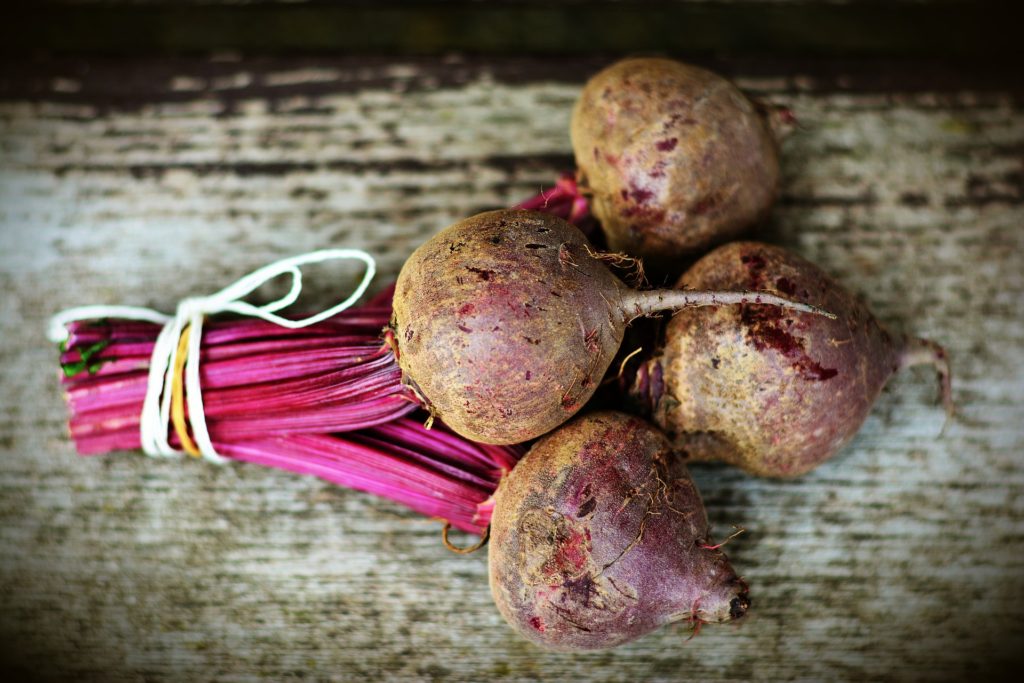
Walk through any grocery store and you'll have the option to purchase conventional versus organic. The first difference you notice is price. In integrative nutrition practices, purchasing local and organic foods is key to good health.

Why? Because it claims to contain fewer contaminants, really.

Therefore, is it really healthier for us to switch to organic and spend the extra money?

Let's see what the buzz is.

Benefits of Buying Organic:

  • Organic food contains fewer harmful pesticides and hormones than conventional food.
  • Organic production helps conserve and protect water.
  • Enhances soil and water quality.
  • Organic agriculture reduces carbon dioxide and helps slow climate change.
  • Organic farming helps combat serious soil problems, such as erosion which creates problems for the land, food supply, and humans.​

Not only is the amount of harmful pesticides lower, it helps the environment as well.

Organic Food Labels

To obtain the USDA Organic label, there is a process in which foods may go through. With this label, organically processed foods are free from containing artificial preservatives, colors, or flavors and require that their ingredients are organic. (3) Some local and smaller farms do not use the USDA organic label and still follow certain guidelines.

Nutritional Value of Organic vs. Conventional

Organic foods are not nutritionally healthier than conventional foods. A study that was conducted by Stanford University showed no nutritional differences in organic foods. There are many studies that support this finding, while there are many unreliable studies that show organic produce contains more nutrients than conventional.

However, the chemicals and pesticides is what the focus should be on when deciding to consume organic.

Top Fruits and Veggies that Contain the Most Chemicals

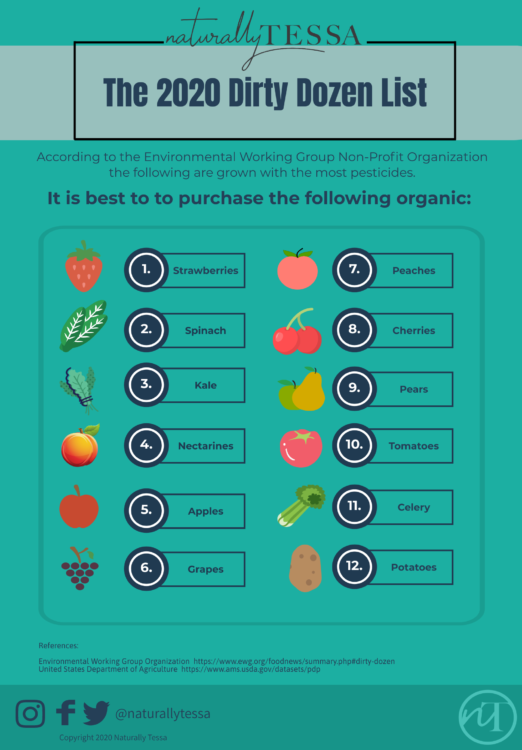
Consequently, the Environmental Working Group created the "Dirty Dozen List" to help distinguish which produce contains the most pesticides.

Although purchasing organic at all times may not be feasible, purchasing the foods on this list help narrow down what has the most contaminants.

Choosing the Healthiest Option

Remember that nutritionally, conventional foods still contain the nutrients that you need from plant-based foods. However, many integrative practices advise consuming fewer chemicals and purchasing from local farms is vital for good health, especially those who have health conditions. Who wants more chemicals in their produce anyway?

The Dirty Dozen list helps us distinguish which have the most contaminants and can simply buy those organic. I mean, there is a saying, "You are what you eat." I certainly wouldn't want to create a toxic overload in my body.

Besides, wouldn't you want to contribute to bettering our environment?

When using organic foods, try cooking with some of my favorite recipes!
More Nutrition + Diet

  • What is Gluten
    What is Gluten?
  • Benefits of Eating Avocados
  • What's the Difference Between Salts?

About Tessa

Hi, I’m Tessa! Here you will find lessons of nutrition and wellness. Including peanut-free, healthy recipes, food and nutrition topics. I hope to inspire you towards good health!
Read more

Comments

No Comments

Share Your Thoughts! Cancel reply

Your email address will not be published. Required fields are marked *

Recipe Rating


Hi there!

More about me

Latest Recipes

  • Chickpea Salad Sandwich
    Chickpea Salad Sandwich
  • Air Fried Zucchini Fries
    Air Fryer Zucchini Fries
  • Gluten-Free Spinach and Hummus Quesadillas

Latest Blog Posts

  • Taco Stuffed Peppers
    Taco Inspired Stuffed Peppers
  • Is Organic Food Healthier?
  • Crispy Scallion Pancakes
    Crispy Scallion Pancakes

Footer

↑ back to top

Hi there, I'm Tessa.

Outdoor Lover | Mom | Foodie

I’m a Registered Dietitian Nutritionist based in Southern California sharing simple, balanced living through healthy recipes and peanut allergy-friendly options. When I’m not creating, I’m outdoors with my family and friends.
  • Visit Facebook account (opens in a new tab)
  • Visit Instagram account (opens in a new tab)
  • Visit Pinterest account (opens in a new tab)

Let's Collaborate

Interested in partnerships or sponsorships?

I work with wellness and balanced living brands to create authentic, engaging content.

Partner With Me

About

  • Privacy Policy
  • Disclaimer
  • Terms & Conditions
  • Accessibility Policy

Newsletter

  • Sign Up! for emails and updates

Contact

  • Contact
  • Services
  • FAQ

Copyright © 2026 Naturally Tessa

This site provides general nutrition and wellness information and is not a substitute for medical advice, diagnosis, or treatment. Always consult your healthcare provider before making changes to your diet or lifestyle.

By using this website, you agree to the Terms of Service, Privacy Policy, Disclaimer, and Affiliate Disclosure . This site may contain affiliate links, at no extra cost to you. No dietitian-client relationship is established through this website.